
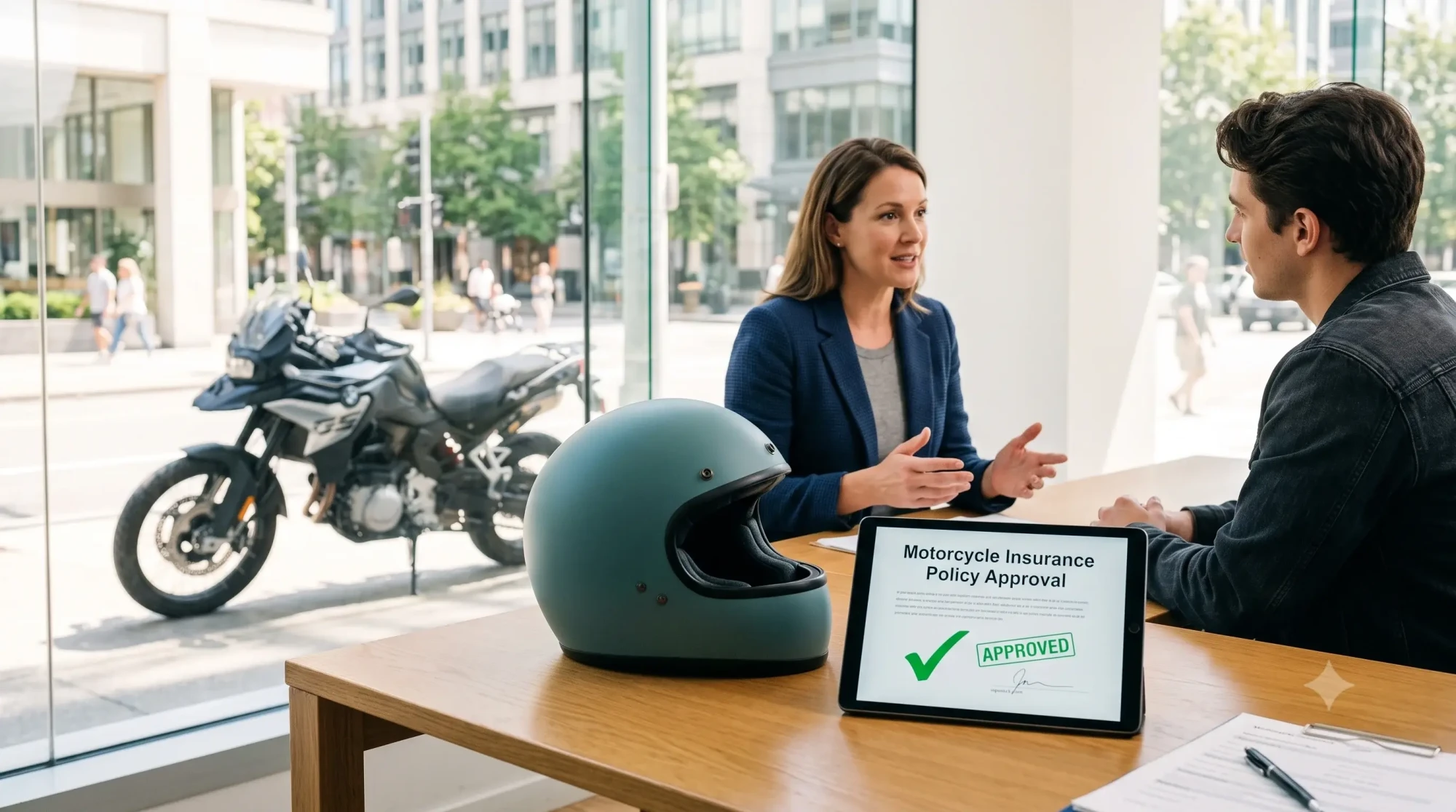
Few events in a vehicle owner’s life match the frustration of receiving a claim rejection letter from an insurer. You paid your premiums on time, kept your vehicle in running condition, and expected the safety net to work when a truck clipped your handlebar in heavy traffic, yet the claim is turned down. To avoid claim rejection on your bike insurance, you must maintain a valid driving license matching your vehicle class, report accidents within the designated 24 to 72-hour window, and ensure your declared No Claim Bonus (NCB) matches previous policy records. Neglecting these operational details accounts for the vast majority of rejected claims in India. When you purchase two wheeler bike insurance, you are entering into a legally binding contract, not a general agreement of goodwill. Insurers do not search for reasons to deny claims, but they will hold you strictly to the terms of that contract.
How the terms of your two wheeler bike insurance dictate claim success
Understanding the fine print is where most policyholders stumble. The contract requires absolute honesty and compliance with the law. When these conditions are breached, the insurer has every legal right to walk away from their financial obligation.
Let’s look at the No Claim Bonus (NCB) mismatch. This is a common administrative reason for claim rejection in India. When renewing online, riders often declare a 20% or 30% discount without having the actual entitlement to lower the premium. Insurers have a 21-day window to verify this with your previous provider. If they discover a previous claim, they do not cancel the policy immediately. Instead, they wait. When you file a claim, the surveyor flags the false declaration, and the insurer rejects the claim outright for material misrepresentation. You lose the entire claim over a minor premium saving.
Another issue is unauthorized modifications. Many riders install aftermarket exhausts, change alloy wheels, or alter engine mapping. These upgrades change the risk profile of the vehicle. If you fail to notify your insurer, your policy becomes technically void. If you install a non-standard exhaust and the bike subsequently catches fire, the surveyor will deny the claim because the modification was undeclared, violating the contract terms.
Is a delay in filing an FIR fatal to your theft claim?
When a motorcycle is stolen, searching the neighborhood first and delaying the paperwork is fatal to your claim. Registering a First Information Report (FIR) with the police within 24 hours is mandatory. Insurers require this document to initiate investigations and rule out fraud. If you wait several days to file the FIR, the insurer will reject the claim, arguing the delay prejudiced their ability to track the vehicle. File the FIR first, then call your insurer immediately.
Does your delivery gig void your personal policy?
The growth of on-demand delivery services has created a massive compliance gap. Many riders use personal motorcycles to deliver food or groceries. If you use a vehicle registered for private use to carry commercial goods, you violate the policy terms. If an accident occurs during a delivery run, the surveyor will check the police report and scene. Finding a delivery bag or commercial cargo means instant claim rejection. Commercial operations require a commercial vehicle registration and policy; personal policies do not cover these operations.
generate image: A close-up shot of a smartphone displaying a digital insurance claim submission screen next to a motorcycle key on a wooden table, emphasizing clean, reliable administrative action.
The administrative errors that sink legitimate claims
Sometimes, a genuine claim is rejected due to simple administrative negligence. These are the most painful rejections because they are entirely preventable.
Consider second-hand vehicle purchases. When you buy a used motorcycle, transferring the Registration Certificate (RC) is only half the process. Many assume the insurance policy transfers automatically. This is a mistake. Under Section 157 of the Motor Vehicles Act, the third-party transfer is automatic, but the own-damage section requires a formal transfer request to the insurer within 14 days of the RC transfer. If you fail to request this and pay the transfer fee, you hold no insurable interest. If the bike is damaged on day fifteen, the insurer will reject the claim because the policy is in the seller’s name. You can read more about managing policy documents on our claims management guide.
Another trap is the Insured Declared Value (IDV). Some riders lower the IDV during renewal to reduce premiums. If your bike suffers major damage exceeding 75% of this deflated IDV, the insurer treats it as a constructive total loss, paying you only that deflated amount.
Can you claim for engine damage after riding through a flooded street?
Waterlogged roads regularly cause engine stalling. If your bike stalls in a deep puddle and you repeatedly try to crank the engine, you risk hydrostatic lock. Water enters the cylinders, bending the pistons. This is a consequential loss. The flood was natural, but your action caused the engine damage. Standard policies do not cover consequential losses. You need an engine protection add-on cover to protect against this; otherwise, the repair bill is entirely yours.
An insurance policy is a contract of utmost good faith. The moment you hide a modification, falsify your NCB, or use a private vehicle for commercial gain, you unilaterally break that contract.
A step-by-step checklist to guarantee a smooth claim process
To ensure your claim sails through without friction, follow a disciplined protocol immediately after an accident.
First, document the scene. Before moving the vehicle, take clear photographs of the damage, vehicle positions, road conditions, and other license plates. These photos serve as evidence for the surveyor.
Second, avoid immediate, unauthorized repairs. Taking your bike to a local mechanic and presenting the bills later leads to rejection. Always tow the vehicle to authorized cashless network garages where the surveyor can inspect the damage first.
Third, keep documents valid. You must submit your driving license, registration certificate, a valid PUC certificate, and the policy copy. A lapse in any document at the time of the accident can trigger a rejection. Keeping these digitized on platforms like DigiLocker ensures they are always accessible. If you need assistance with documentation, reach out on our claims support page.
generate image: An infographic illustrating the four critical steps of a bike accident claim: documenting the scene, calling the insurer, towing to an authorized garage, and submitting documents.
At Aum Insurance, we believe that buying two wheeler bike insurance is only half the job. Our dedicated claims advisory team helps you navigate the complex paperwork and ensures your policy details are flawless from day one, minimizing any risk of future claim rejection.
Explore our tailored insurance plans today to secure your ride with absolute clarity
Frequently asked questions
Can a claim be rejected if my Pollution Under Control (PUC) certificate is expired?
Yes. Insurance companies can reject your claim if you do not hold a valid PUC certificate at the time of the accident. Under IRDAI guidelines, operating a vehicle without a valid PUC is a violation of the law, which can void your own-damage coverage.
What happens if someone else was riding my bike during the accident?
Your policy will still cover the damage, provided the person riding your bike had a valid driving license for that class of vehicle and was riding with your consent. If they did not have a valid license, the claim will be rejected immediately.
Is my claim valid if I do not report the accident within 48 hours?
While minor delays with reasonable justification are sometimes accepted, most insurers require notification within 24 to 48 hours. Unjustified delays give the insurer grounds to reject the claim, as it prevents timely physical inspection of the damage.
Will my claim be rejected if I have an active learner’s license?
No, provided you were complying with the legal requirements of a learner’s license. This includes displaying ‘L’ plates on the front and rear of the bike and carrying a pillion rider who holds a valid, permanent driving license.
Does a claim rejection affect my No Claim Bonus (NCB) for the next renewal?
Yes, but in a different way. If your claim is rejected, you do not receive any payout for the damage. However, because you filed a claim, your NCB counter resets to zero percent for the subsequent policy year, regardless of whether the claim was approved or rejected.
For more details contact contact....